Whiskers and Wonder Cat Face Lettering
A Whimsical Phrase That Purr-fectly Fits Handmade Charm
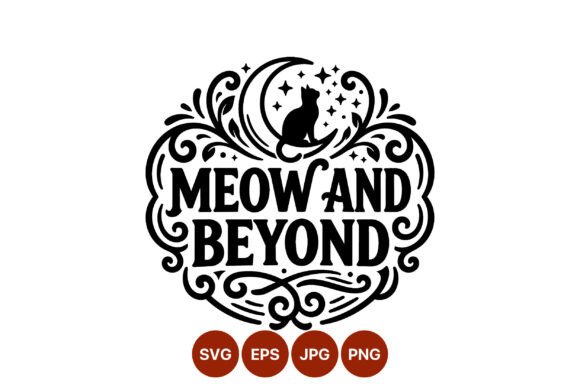
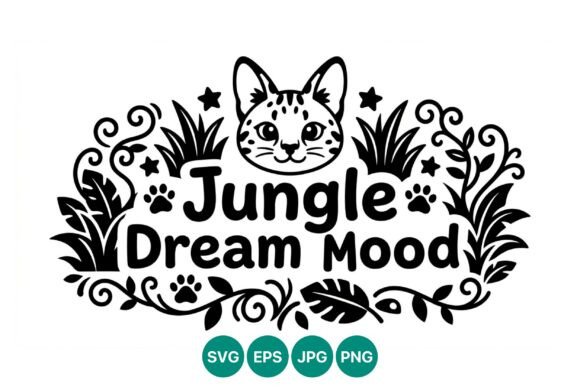
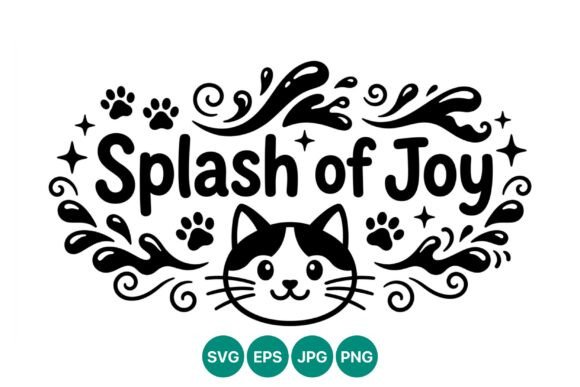
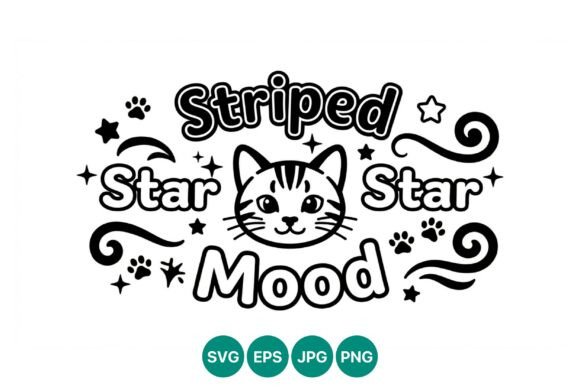
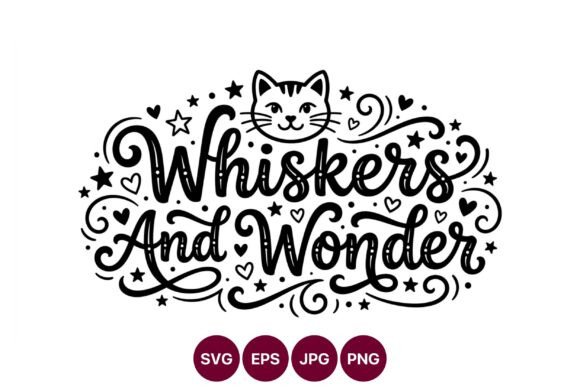
First glance at Whiskers and Wonder Cat Face Lettering lands like a soft paw tap—playful, warm, and instantly recognizable. The black-and-white vector art style gives it clean edges and confident contrast, while the smiling cat face nestled right in the phrase feels like a secret wink just for cat lovers. Hearts, stars, and delicate swirls orbit the lettering without crowding it—this isn’t clutter; it’s curated whimsy. As an embroidery designer who’s stitched hundreds of phrases onto totes, baby onesies, and boutique aprons, I immediately pictured this on a natural linen tea towel for a local gift shop: soft fabric, bold stitch definition, and that gentle “aww” factor customers love in handmade product.
Where It Shines—and Where It Needs Gentle Handling
Whiskers and Wonder Cat Face Lettering thrives in medium-to-large embroidery projects where clarity and charm carry equal weight. Think sweatshirt front panels (especially oversized crewnecks), cotton tote bags with minimal texture, or pillow covers with tight-weave canvas backing. Its balanced layout—neither too tall nor too narrow—fits comfortably in standard 4×4 or 5×7 hoops without awkward cropping. On a custom embroidered baby blanket, the smiling cat face reads clearly even at 3 inches wide, and the hearts/stars translate well into satin-stitched accents rather than dense fill areas that could stiffen delicate fabric.
But here’s what I watched closely: the fine swirls and inner details of the cat’s whiskers and star points. On stretchy fabrics like jersey or thin knits, those elements can blur or pucker if stabilizer isn’t layered thoughtfully. I’d avoid placing it directly over seams or curved surfaces like cap fronts unless you’re using a low-profile, flexible stabilizer and reducing stitch density slightly in the decorative swirl zones. And while the black-and-white palette is versatile, remember—on dark fabric, white thread needs extra coverage, so test fill stitch density first. On light fabric, black thread pops beautifully, but avoid ultra-thin cotton poplin without tear-away backing: those tiny heart outlines may sink or distort.
Real-World Fit for Creative Entrepreneurs
If you’re an Etsy seller building a “cat lover gift bundle,” this design is a quiet powerhouse. It pairs effortlessly with simple monogrammed initials or small paw prints as companion motifs—no competing visual noise. For holiday embroidery, it adds warmth to kitchen towels or oven mitts without feeling seasonal or dated. As a small shop owner curating nursery decor, I’d use it on organic cotton swaddle blankets alongside minimalist animal silhouettes—its gentle scale and friendly expression support brand consistency without shouting.
What makes Whiskers and Wonder Cat Face Lettering commercially smart is its dual appeal: it reads as both personal and polished. A customer buying a custom embroidered tote bag doesn’t just see text—they feel seen. That emotional resonance builds trust faster than any tagline. And because it’s delivered as vector-based SVG files (in the ZIP folder), you can scale it cleanly for digital embroidery file previews, printable mockups, or even laser-cut applique templates—extending its life beyond one stitch-out.
Practical Notes Every Embroidery Designer Should Check First
- Test before committing: Stitch a full-size version on scrap fabric matching your final project’s weight and stretch—especially if using textured weaves like burlap or terry cloth.
- Thread color matters: Even though it’s black-and-white art, your thread choices shape perception. Try matte black on oatmeal linen versus glossy black on charcoal fleece—you’ll get two different moods.
- Review stitch density: Vector art translates beautifully, but automatic digitizing can overfill delicate swirls. If your embroidery software lets you adjust fill angles or reduce density in ornamental zones, do it.
- Hoop size + placement: Measure your hoop’s usable area—not just the frame. Those outer stars might clip if centered too tightly near the edge.
- Stabilizer strategy: Use cut-away for knits, tear-away for stable wovens, and consider topping for napped fabrics like fleece to keep fine lines crisp.
- Licensing check: Since this falls under Illustrations and Graphics, confirm whether your intended use—like selling finished embroidered patches or bundling it into a digital embroidery file pack—is covered. When in doubt, contact the creator before listing on Etsy or launching a craft fair product line.
Not Just Cute—It’s Cohesive
In my decade of reviewing embroidery assets for craft businesses, I’ve learned that the most successful designs don’t just look good—they behave well. Whiskers and Wonder Cat Face Lettering behaves. It holds up across fabric types, scales gracefully, and invites customization without demanding perfection. It works equally well as a standalone sweatshirt embroidery or as part of a coordinated set—say, a matching embroidered apron and tea towel for a cat-themed baking kit.
For handmade product makers, that reliability means less rework, fewer customer questions about “why does the star look fuzzy?”, and more time spent on what matters: storytelling, packaging, and building real connections. It doesn’t scream for attention—it smiles, invites touch, and earns repeat orders. That’s not just whimsy. That’s thoughtful design, ready for real work.