Cat Paw Minimal Line Art
First Impression: Quiet Charm, Not Clutter
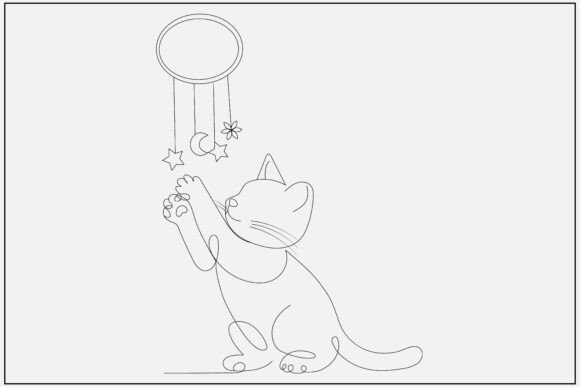
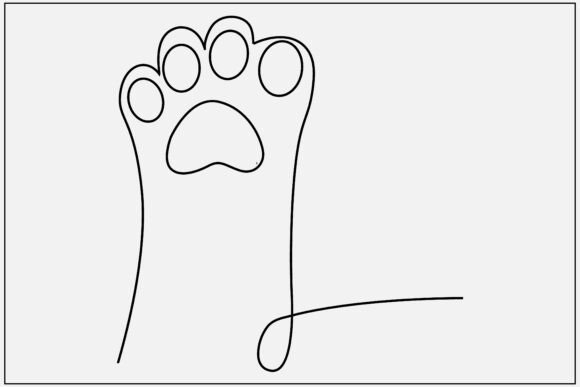
When I opened the Cat Paw Minimal Line Art files, what struck me wasn’t boldness—it was balance. A single, confident line traces the outline of a cat’s paw: soft curves, subtle asymmetry, no claws, no shading, no filler. It breathes. As an embroidery designer who’s stitched hundreds of pet-themed motifs, I appreciate how rare it is to find a design that feels both intentional and effortless. This isn’t “cute overload.” It’s warm, gentle, and quietly confident—perfect for customers who love cats but reject kitsch. It leans into simplicity without sacrificing character, which means it translates cleanly across scales and surfaces.
A Real Project Test: Embroidering a Linen Tote Bag for a Local Boutique
Last week, I used Cat Paw Minimal Line Art on a natural linen tote for a small shop launching a “quiet joy” collection—think handmade ceramics, oat-milk lattes, and slow-living vibes. I chose a 3.5-inch hoop, medium-weight cutaway stabilizer, and matte cotton thread in heather grey. The result? Crisp, legible stitching with zero puckering—even on the slightly nubby fabric. Because the design is pure line art (no fill or satin stitch), there’s no risk of thread buildup or stiffness. Customers noticed it immediately—not as “a cat thing,” but as “that lovely little detail on the strap.” That’s the power of restraint: it invites attention without demanding it.
Where It Shines (and Where to Pause)
Cat Paw Minimal Line Art excels in projects where subtlety equals sophistication:
- Custom apparel: Works beautifully on sweatshirt cuffs, t-shirt hems, or back yokes—especially when paired with monochrome thread and natural fabrics.
- Baby embroidery: Ideal for onesies, burp cloths, or crib bumpers—soft lines feel tender, not cloying, and hold up well after repeated washing.
- Embroidered patches: Clean edges mean sharp laser-cut or heat-press adhesion; no fraying corners from dense fill areas.
- Kitchen and home textiles: Looks grounded on tea towels, pillow covers, and aprons—never too precious, never too plain.
- Holiday and gift embroidery: Stitches elegantly onto handmade ornaments, gift tags, or linen napkins—adds personality without overwhelming the object.
But here’s where judgment matters: avoid using Cat Paw Minimal Line Art on highly textured fabrics like bouclé or heavy terry cloth—the line can get visually lost. On stretchy knits (think lightweight tees), stabilize generously and consider a smaller scale version if your machine allows. And while it reads clearly on dark fabric, always test contrast with your chosen thread: a pale ecru on charcoal linen reads beautifully; the same thread on black denim may vanish unless you go slightly thicker or switch to a tonal variegated thread.
What This Design Says About Your Brand—Without Words
When your customer sees Cat Paw Minimal Line Art on a finished product, they’re subconsciously reading your values: care, clarity, intention. It signals that you didn’t grab the first clipart result—you curated. That builds trust, especially for Etsy sellers and craft fair vendors where handmade presentation directly impacts perceived value. For boutique owners, it reinforces brand consistency across merchandise—no jarring shifts between logo, packaging, and embroidered accents. And for personalized gifts? Its quiet charm makes it feel special without being overly sentimental—ideal for cat lovers who’d rather skip the rhinestone eyes and cartoon whiskers.
Practical Designer Notes Before You Stitch
Before committing to a client order or batch production, run these checks:
- Test on scrap fabric—especially if working with something new (e.g., organic cotton poplin or recycled polyester twill).
- Review stitch density: Since this is line art, expect mostly running or stem stitch equivalents—not heavy fill. Still, confirm your machine handles fine-line continuity at low stitch counts.
- Confirm hoop size compatibility: While scalable, very small versions (<1.5") may lose definition on coarse weaves. Keep it ≥2" for most apparel and home goods.
- Inspect small details: Zoom in on the inner curve where the paw pads meet—ensure no unintended breaks or jagged vector points that could translate poorly to stitch data.
- Mock it up in black and white: Use a printable mockup to see how it reads on light vs. dark backgrounds before cutting thread.
- Use proper stabilizer: Light to medium cutaway works best for stability without bulk—especially for tote bags or baby items that need structure.
- Verify licensing: The listing says you can use it for wall decor, posters, t-shirts, mugs, pillows, tote bags, and many other creative products—but always double-check the included license terms before selling finished items or bundling the digital embroidery file in your own craft business offerings.
Final Thought: Less Is Anchored, Not Empty
Cat Paw Minimal Line Art isn’t just another illustration—it’s a design decision with weight. In a market flooded with overdesigned graphics, its quiet confidence stands out. It doesn’t shout “cat lover!”—it whispers “thoughtful maker.” Whether you’re an Etsy seller building a cohesive shop aesthetic, a small-batch apparel decorator refining your signature style, or a hobbyist stitching heartfelt gifts, this motif earns its place by doing less—and meaning more. As a working embroidery designer, I keep it in my go-to folder for projects where clarity, calm, and craft integrity matter most.